Tuesday, January 10, 2012

Teen Who Collapsed at Basketball Practice Dies


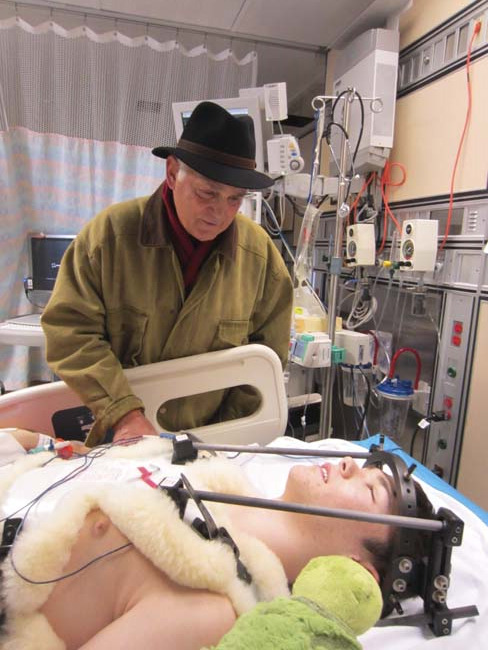
The 14-year-old La Center, Wash., boy who collapsed during a middle school basketball practice on Jan. 3 died Monday at a Portland hospital.
The parents of Cody Sherrell issued a statement thanking first-responders and the staff at Legacy Emmanuel Medical Center. They also thanked people who had offered support and said, "Cody was a quiet boy. It's brought us such joy to know he touched so many lives."
Coaches had performed CPR but Cody remained in critical condition until his death.
Meanwhile, a Salem boy who collapsed Friday at a youth basketball practice has improved to good condition at Oregon Health & Science University Hospital in Portland. Isaac Arzate had been listed in critical condition.

Novartis Issues ‘Alarming’ Recall of OTC Medications


Consumers, beware: The latest voluntary recall by Novartis is really alarming.
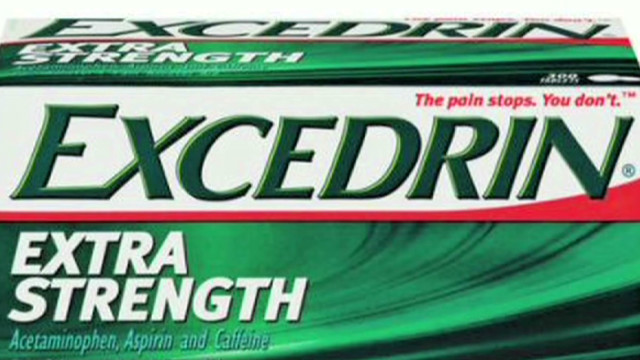
The recall, announced Sunday, includes certain bottles of Excedrin, NoDoz, Bufferin and Gas-X due to concerns that the bottles could contain pills from other medicines.
Specific packages involved in the recall include Excedrin and NoDoz with expiration dates of Dec. 20, 2014, or earlier, and packages of Bufferin and Gas-X with expiration dates of Dec. 20, 2013, or earlier.
Novartis has voluntarily suspended operations and shipments from its Lincoln, Neb., plant in order to deal with the problem, and the Consumer Health unit of the company will take a one-time charge of approximately $120 million relating to the recalls and improvements at the facility.
Company officials became aware of the problem during an internal review, which found broken and chipped pills and inconsistent packaging practices.  A spokesperson said the company wanted to protect customers from taking any pills they might be allergic to.
The possibility that several over-the-counter medicines may contain stray pills from other medications is really amazing.
Unknowingly ingesting the wrong medication can have serious side effects or interact negatively with other drugs a person may be taking.
Meanwhile, chipped or broken pills could lead to incorrect dosing and render the medication less effective.
What a lot of folks out there don’t realize is that, like prescription pills, over-the-counter medications are real medical products that should be handled with care.  OTC medications can contain chemicals, which, if taken inappropriately, can send you to the emergency room.
To have this company come out and say they have ‘manufacturing problems’ is inconceivable to me.
One of the things we expect from drug-manufacturing companies, like Novartis, is that the standard of practice is of the highest degree.
My hope is that Novartis and other pharmaceutical companies will learn from their mistakes and create protocols that give the public assurance their medications are genuine, safe and properly packaged.

Monday, January 9, 2012

Sex Life Becomes More Satisfying for Women After 40


Women grow increasingly satisfied with their sex lives after they turn 40, a new study suggests.

For some, that heightened satisfaction comes from having great sex; for others, it stems from the fact that while their sexual activity has decreased, so has their desire, the survey showed.

The researchers surveyed a group of women between ages 40 and 100, with a median age of 67. Half of the responders said they were sexually active, and most of those women said they were able to become aroused, maintain lubrication and achieve orgasm during sex, even after the age of 80.

Moreover, among sexually active women, those who were below age 55 or above 80 were the most likely to report satisfaction with their ability to achieve orgasms.

"I was surprised by how many people were completely satisfied over the age of 80," said study researcher Elizabeth Barrett-Connor. The number of women who weren't sexually active but still expressed satisfaction surprised her as well. "I think there's a whole range of reasons people might be sexually satisfied," she said.

The study was published in the January issue of the American Journal of Medicine.

The benefits of trust

The study was the first of its size to focus exclusively on the sex lives of healthy women, a shift from previous efforts that had centered on studying women with sexual dysfunction, or tested the effects of hormone therapy on women's sex lives, Barrett-Connor said.

The researchers mailed a questionnaire to 1,303 women who had participated in the Rancho Bernardo Study, a survey of people in a suburban California community that has been ongoing since 1972. Of these women, 806 responded to questions about sex, "a very high participation rate for a study that asks very personal questions," Barrett-Connor said. "We have been studying this population for many years, and they trust us."

More than half of all women surveyed said they were very or moderately satisfied with their sex life. The percentage of women who described themselves as sexually satisfied increased with age. Almost half of the women over age 80 said they were always or almost always sexually satisfied.

'Couch Potato' Pill Prevents Heat Stroke, Study Finds

Couch potato pill cuts heatstroke risk
Scientists have stumbled upon a drug that may prevent heat stroke for people prone to the deadly condition. Ironically, it's the same drug flaunted three years ago as the "couch potato pill" for its ability to build muscle and increase endurance in mice that never break a sweat.

The study appeared Sunday in the journal Nature Medicine.

As with the 2008 couch potato study, the researchers have only tested the drug, abbreviated as AICAR, in mice. However, the drug was 100-percent effective in preventing death in these mice genetically engineered to be susceptible to heat stroke. Thus, the finding has implications for anyone exposed to heat or with abnormal heat sensitivity, the researchers said.

Heat stroke is caused by prolonged exposure to temperatures over 100 degrees Fahrenheit (37.8 degrees Celsius), and it is common among the elderly and athletes. Many U.S. soldiers in Iraq and Afghanistan suffered from heat stroke brought on by high temperatures and heavy gear.

Some people have a genetic disorder called malignant hyperthermia that places them at high risk for heat stroke, even without the heat. The disorder is associated with a mutation in the RYR1 gene, which causes uncontrolled muscle contractions and increases in body temperature, typically induced by certain drugs such as general anesthesia.

Unexplained Infant Deaths to be Recorded in New Database


In recent years, the number of reported cases of sudden infant death syndrome (SIDS) has declined, with a 50 percent drop reported since 1990.

While that's good news on the surface, researchers are now hoping to determine whether this is due to true public health improvements, or is simply a difference in how deaths are recorded, by creating a new database.

Details about how the database, called the Sudden Unexpected Infant Death Case Registry, will help researchers answer the questions that surround SIDS are described today in an article by researchers from the Centers for Disease Control and Prevention (CDC).

"Right now, when we want to do surveillance and actually monitor trends in SIDS and other infant deaths… we're limited by the data collected [in U.S. mortality records]," said article co-author Carrie Shapiro-Mendoza, a senior scientist at the CDC.

Those records, she explained, can lack information about the circumstances surrounding infant deaths, such as the sleep environment, whether the baby was being put to sleep on his or her back or stomach, whether the baby was in an adult bed and if there was soft bedding where the baby was sleeping.

Shapiro-Mendoza said the new database will build on existing mortality records, adding more about the events surrounding a baby's death, "so it can help inform prevention efforts."

The mysteries of SIDS

Sunday, January 8, 2012

The Story Behind Nick Cannon's 'Mild' Kidney Failure


In recent celebrity news, various media outlets are reporting that Nick Cannon, Mariah Carey’s husband and host of America’s Got Talent, has been hospitalized due to ‘mild kidney failure.’

First, I want to clear something up: There’s not such a thing as mild kidney failure.  That’s like being a little bit pregnant.

Renal failure is either acute or chronic.  Acute renal failure is the fast onset of failure of the kidney to remove waste from your body.

There are many factors that can contribute to kidney failure, ranging from severe dehydration, infection, side effects or toxicity from medications, severe bleeding and auto-immune diseases such as lupus.

Chronic kidney failure tends to develop over a period of years and is mostly due to chronic medical problems like diabetes or high blood pressure. There are some isolated genetic diseases that could also give you kidney disease or kidney failure over time.

However, the most likely explanation behind Nick Cannon’s hospitalization, based on some of the stories circulating, is that he is probably suffering acute renal failure.

Many of the symptoms of acute renal failure are not specific.  They include decreased urine output, fatigue, abdominal pain, confusion, and body swelling.

However, if renal failure is not treated, the symptoms worsen.  Ultimately, the patient develops seizures, then falls into a coma and could die. This is why I consider the kidney to be one of the most critical organs in the human body.

Now, treatment basically involves treating the underlying cause of renal failure.  So, if failure is a result of infection, you would use antibiotics to treat the infection.  If the cause is dehydration, you would hydrate the patient.  For auto-immune diseases, you would likely use steroid therapy.

Sometimes, you can recover fully from acute renal failure, but in many cases, you can damage the kidney enough that it becomes a chronic disease.

Some of the ways doctors monitor patients for renal failure include blood tests looking for the presence of creatine, and ultrasounds or imaging of kidneys.  In some cases, patients may need dialysis to filter out the excess waste that has built up in the body so the kidneys can take a little break.

No matter what, kidney failure is a serious problem, and the media should not trivialize a major health issue. It is important to realize how vital a healthy kidney is to our overall well-being.

Do You Have a Histamine Intolerance?


Have you ever suffered from a headache after drinking red wine?
If you have, you might have a histamine intolerance.
You usually hear the word “histamine” when referring to “anti-histamines,” which are used to treat allergies. However, histamines are also found naturally in the body.
“When our body has an inflammatory response, there are cells in our body called mass cells, which will release more granules of histamine,” said Dr. Peter Bongiorno, of Intersource Health on Long Island, N.Y. “And it's kind of a way for the body to call to arms, to tell other immune cells to kind of get together and create some inflammation and bring dilation to the area, bring blood to the area, and try to increase its fighting effect.”
Bongiorno said there are certain foods that are high in histamines:
-Aged cheese and meats
-Yeast-containing foods
-Sauerkraut
-Spinach
-Tomatoes
-Citrus
-Bananas
-Avocados
According to Bongiorno, inflammation caused by these foods caused by these foods could lead to real health problems.
“More typically you will see redness, sometimes rashes, sometimes eczema and some people you'll see it almost looks like a conjunctivitis,” Bongiorno said. “Their eyes get kind of red, They can get kind of teary. In other people you can see things like mood changes... arrhythmia, people have heart beat changes, you can see blood pressure lower. Occasionally blood pressure can actually even increase.”
If you suspect you have a histamine intolerance, Bongiorno said to start a food diary, and keep track of what you are eating. Eliminating histamine foods that are giving you problems may help the symptoms go away.

19 Sickened by Contaminated Beef


A total of 19 people from seven states have become sick from salmonella linked to ground beef sold by Hannaford supermarket.
The Centers for Disease Control and Prevention said Thursday most of the victims indicated they bought the beef between Oct. 12 and Dec. 10.
The Scarborough, Maine-based Hannaford supermarket chain announced on Dec. 15 that it was recalling ground beef with a sell-by date of Dec. 17 or earlier.
The CDC says the recalled beef may still be in consumers' homes. The company says customers should return or dispose of ground beef with the Dec. 17 or earlier sell-by dates.
In addition to Maine, Hannaford has stores in Massachusetts, New Hampshire, New York and Vermont.
So far 19 people in those states and Kentucky and Hawaii have become sick.

Friday, January 6, 2012

Mental Sharpness Begins to Decline in Middle-Age


The brain's abilities to reason, comprehend and remember may start to worsen as early as age 45, a new study from England suggests.

Researchers gave tests of thinking skills to about 5,100 men and 2,200 women between the ages of 45 and 70 years over a 10-year period. They found people ages 45 to 49 years experienced a notable decline in mental functioning.


"'Senior' moments that people often joke about are true."
- Dr. Gary Small, geriatric psychiatrist David Geffen School of Medicine at the University of California, Los Angeles

"'Senior' moments that people often joke about are true," said Dr. Gary Small, geriatric psychiatrist David Geffen School of Medicine at the University of California, Los Angeles, who was not involved with the work.

"If you follow people over time, you'll see there are structural changes that happen in the brain as they age," he said.

The study was published today (Jan. 5) in the British Medical Journal.

Healthy lifestyle may help with brain aging

Previous evidence suggests that impaired cognitive function could be  an early sign of dementia. One recent study showed cognitive performance strongly predicted a 75 percent diagnosis of Alzheimer's disease, a common form of dementia, after six years.

About 1 in 8 older Americans have Alzheimer's disease, according to the Alzheimer's Association. They anticipate the numbers will grow each year as more and more people continue to live longer.

Though the age at which cognitive decline begins remains unknown, researchers say the new study demonstrates the importance of a healthy lifestyle, particularly paying attention to cardiovascular health, which may help stave off the effects of brain aging.

"A decline in mental function is inevitable," said Steven Ferris, a psychologist at New York University's Langone Medical Center, who was not involved with the work. "Following a healthy lifestyle can help a certain degree of mental functioning, but there requires more research to prove this."

A healthy lifestyle includes exercising, which increases blood flow to the brain, providing it with much-needed nutrients. Eating foods that are good for the heart, such as fruits, vegetables and whole grains is also important, because it could protect brain cells from age-related decline.

A faster decline among older people

Study participants were tested for memory, vocabulary, hearing and visual comprehension skills. People were given cognitive tests three times over the course of the study. The researchers took differences in education levels into account.

Researchers found that over the 10-year study, there was a 3.6 percent decline in mental reasoning scores in people who were between the ages of 45 and 49 at the study's start. There was a 9.6 percent decline in the abilities of men ages 65 to 70 years at the start, and a slightly smaller, 7.4 percent decline, in women of those ages.

Results showed that cognitive test scores declined in all categories except vocabulary, and scores declined faster in older people.

The study also demonstrated that measuring people's abilities at one point in time may not yield accurate results.

"This study follows the same people over a long period of time to see if their cognitive performance changes," said Ferris.

"And these changes are beginning earlier than what people previously thought," he said.

Parents Say Teen Injured in High School Hockey Game Won't Walk Again


The parents of a Minnesota teenager who severed his spinal cord in a high school hockey game said he will not walk again, MyFoxTwinCities.com.

Jack Jablonski, 16, who attends Benilde-St. Margaret’s in St. Louis, Minn., suffered broken vertebrae and a severed spinal cord last Friday when he was accidentally checked from behind in a hockey tournament. Doctors performed a successful spinal fusion surgery on him Wednesday at Hennepin County Medical Center.

However, Jack’s parents, Leslie and Mike Jablonski, wrote on Jack’s CaringBridge page that he will not walk again.

"This news is devastating to Jack and everyone who loves him," they wrote. "Our hope and dream is that he will be able to prove this prognosis wrong. Our priority is to help Jack accept and transition into his new life, a life that we did not plan, but one that we have to embrace. We have a mountain to climb, but with your support, we know that Jack's youth, strength and determination will help him make remarkable strides."

One vertebrae had been pushed in front of another, and it could not be repaired, said Dr. Walter Galicich, who performed the surgery.

Jack does have some movement in his right shoulder, but doctors said he will not have any movement below his elbow.

Jack will spend at least one more day in the intensive care unit before he begins rehabilitation.

Male Nurse Arrested During Hospital Saline Poisoning Probe


A male nurse was arrested by police investigating the poisoning of patients at Stepping Hill Hospital in Stockport, northwestern England.
Victorino Chua, 46, was arrested at his home in Stockport on Thursday.
The arrest came as it was revealed that the death of an 82-year-old man on New Year's Eve was also being investigated as his medicines were contaminated.
His is now the fourth death being investigated by detectives working on the inquiry.
After the contamination of saline drips at the hospital in June and July last year, Arnold Lancaster, 71; Tracey Arden, 44; and Alfred Derek Weaver, 83, all died.
Another 16 patients at the hospital are believed to have been poisoned but survived.
Police believe saline was deliberately injected with insulin.

Train Your Brain to Think Like a Thin Person


Dr. Judith Beck, bestselling author of The Beck Diet Solution and The Complete Beck Diet for Life, offers advice and techniques for losing weight and keeping it off.

Q. Why do you think it's so hard for people to lose weight and keep it off?
A. It's not their fault. No one ever taught them how to stay motivated every day, use good eating habits deal with hunger, cravings, and emotional eating, or get back on track immediately after overeating. These skills, however, are all teachable.

Q. How do thin people think, exactly? How is their thinking different from those of us who struggle with weight?
A. Thin people think differently in many ways. For example, they think that hunger is normal and to be expected. They know that hunger isn't an emergency, that at worst, it's mildly uncomfortable, that it actually comes and goes, and that food tastes better when they're hungry. If it's an hour before a meal and they're hungry, they just usually wait, without even thinking about it.

Chronic dieters, on the other hand, are usually nervous about feeling hungry, so they overeat at meals and snacks, carry food with them, and plan when they'll next have access to food. They think that hunger is unnatural, bad, and that it will get worse and worse until they can't tolerate it any more.

I have people go for several hours without eating (unless they have an interfering medical condition). Every hour on the hour, they rate how uncomfortable their hunger is at the moment and how uncomfortable it was in the previous hour. It's so liberating! People find out that hunger is easily tolerated, that it lasts for maybe five or 10 minutes tops, and then goes away altogether. It comes back, but again is only mildly uncomfortable and goes away again.

Thursday, January 5, 2012

Man Undergoes Surgery to Remove 200-Pound Tumor on Leg

McKay McKinnon
A man left unable to walk by a tumor on his right leg that weighs more than the rest of his body went under the knife in Vietnam on Thursday to have the growth removed, hospital officials said.
Nguyen Duy Hai's massive 198-pound tumor is to be cut away by a team of physicians led by American doctor McKay McKinnon in a risky 10-hour procedure that has only a 50 percent success rate, the France-Vietnam (FV) hospital in Ho Chi Minh City said.
Hai, 31, who suffers from a rare genetic disorder, has been living with the tumor since he was 4 years old, FV hospital's statement read.
He had part of his leg amputated when he was 17, but the tumor, which is not cancerous, continued to expand, making it difficult for Hai to walk and sleep.
The growth is thought to be the largest ever recorded in Vietnam, according to state media, who have followed Hai's condition for years.
Click here to read more about Hai. 
"This is a huge procedure with many risks, including the risk of death during surgery or post-operative care," the hospital said, adding that the patient and the family decided to proceed with the removal nonetheless.
Lead surgeon McKinnon successfully removed a tumor weighing 176 pounds (80kg) from a Romanian woman in 2004.
McKinnon has waived his fee for Hai's surgery and the remaining costs, estimated to come to around $12,000, will be covered by donations, FV hospital said.

Cancer Rates in U.S. Continue to Fall, Report Says


Cancer death rates are continuing to fall, dropping by 1.8 percent per year in men and 1.6 percent per year in women between 2004 and 2008, according to the American Cancer Society's annual report on cancer statistics.

Advances in cancer screening and treatment have prevented more than a million total deaths from cancer since the early 1990s, according to the report.

But the influential cancer group said new cases of seven less-common cancers rose in the past decade, suggesting more could be done in America's 40-year war on cancer.

This year, the cancer group projects 1,638,910 people will be newly diagnosed with cancer and 577,190 people will die from it.

"The big news this year is that cancer deaths are still going down," said Dr. Raymond DuBois, provost and executive vice president at The University of Texas MD Anderson Cancer Center.

DuBois said while the rate of decline is small, it is significant because it has continued to fall each year for the past 10 years of available data.

Between 1999 and 2008, cancer death rates fell by more than 1 percent per year in men and women in every racial and ethnic group except for American Indians/Alaska Natives, among whom rates have held steady.

"It's not hitting the ball out of the park, but it had been going up several years prior to that. It's sign now that it is on the decline," DuBois said in a telephone interview.

The biggest declines in the latest report were among black men, where cancer deaths fell by 2.4 percent, and Hispanic men, where rates fell by 2.3 percent.

Death rates fell in all four of the most common cancers, lung, colon, breast and prostate, with lung cancer accounting for nearly 40 percent of the total drop in men and breast cancer account for 34 percent of the total decline in women.

Despite improvements in the most common cancers, a companion report found an increase in cases of several cancers over the past decade. These included cancers of the pancreas, liver, thyroid, and kidney and melanoma, as well as esophageal cancer and certain types of throat cancers associated with human papillomavirus or HPV infection.

That report found cases of HPV-related throat cancer and melanoma rose only in whites, and rates of esophageal cancer rose in both whites and Hispanics.

Wednesday, January 4, 2012

Women's Sexual Satisfaction Often Rises With Age: Study

Desire not main motivation for women sexually active in their 60s, 70s and 80s.

Women's Sexual Satisfaction Often Rises With Age: Study
TUESDAY, Jan. 3 (HealthDay News) -- Sexual satisfaction increases with age among sexually active older women, according to a new study, while those who don't have sex are satisfied with their sex lives.

The study included 806 older women who live in a planned community in the San Diego area and whose health has been tracked for 40 years. The study participants' average age was 67 years and 63 percent of them were postmenopausal.

The University of California, San Diego School of Medicine and Veterans Affairs San Diego Healthcare System researchers evaluated the women's sexual activity and satisfaction and found that half of the women with a romantic partner had been sexually active in the previous four weeks.

The investigators also found that the likelihood of sexual activity decreased with age, that 67 percent of sexually active women always or usually achieved orgasm, and that the youngest and oldest women reported the highest frequency of orgasm satisfaction.

Forty percent of the women in the study said they never or almost never felt sexual desire, and one-third of sexually active women reported low sexual desire, according to the study in the January issue of The American Journal of Medicine.

"Despite a correlation between sexual desire and other sexual function domains, only one in five sexually active women reported high sexual desire," lead investigator Dr. Elizabeth Barrett-Connor, chief of the division of epidemiology at the UCSD School of Medicine, said in a journal news release.

"Approximately half of the women aged 80 years or more reported arousal, lubrication and orgasm most of the time, but rarely reported sexual desire. In contrast with traditional linear model in which desire precedes sex, these results suggest that women engage in sexual activity for multiple reasons, which may include affirmation or sustenance of a relationship," Barrett-Connor said.

Sixty-one percent of the women in the study were satisfied with their overall sex life, regardless of whether they had a partner or were sexually active.

Older age is considered a predictor of low sexual satisfaction, but the percentage of sexually satisfied women in the study actually increased with age. About half the women older than 80 reported sexual satisfaction almost always or always.

Not only were the oldest women the most sexually satisfied overall, the oldest women who were sexually active had orgasm satisfaction rates similar to those of the youngest women.

"In this study, sexual activity was not always necessary for sexual satisfaction. Those who were not sexually active may have achieved sexual satisfaction through touching, caressing, or other intimacies developed over the course of a long relationship," first author Dr. Susan Trompeter, an associate clinical professor in the division of general internal medicine at UCSD School of Medicine, and a staff physician at the VA San Diego Healthcare System, said in the news release.

"Emotional and physical closeness to the partner may be more important than experiencing orgasm. A more positive approach to female sexual health focusing on sexual satisfaction may be more beneficial to women than a focus limited to female sexual activity or dysfunction," Trompeter concluded.

More information

The U.S. National Institute on Aging has more about sexuality in later life.http://dailyhealthcentral.com/ViewArticle.aspx?a=1985

How to Keep Your Man Healthy


Ask any man you know, and chances are they don’t like going to the doctor or taking medicine.
So health care often falls on the shoulders of the women in their lives – wives, girlfriends, mothers.
Dr. Cathleen London, assistant professor of Medicine at Weill Cornell Medical College and an assistant attending physician at NewYork-Presbyterian Hospital, said  men tend to blow off their symptoms and that is why they have more disease – like heart attack and strokes.
If you have a man in your life that you would like to keep healthy, here are some things you can do:
Feed them antioxidants – London said foods like tomatoes and wine can significantly lower one’s blood pressure, and hypertension is the leading cause of heart disease.
“You should be drinking one glass of wine a day,” London said.
And, if you don’t care for alcohol, purple grape juice is a good alternative.
“You can also change your cooking oil, so that it contains tocotrienol, which is protective against stroke damage,” London said.
Other healthy foods high in antioxidants include avocados and chocolate.
London said it’s important to monitor your man’s blood pressure. It should read 120/80 – and anything higher can be a warning sign of risk factors.
Lower your man’s blood pressure by cooking tomato-based foods – tomato paste, salsa, ketchup – six or seven times a week.
“Combining these with grape juice can  bring blood pressure back into the normal range,” she said.
Obese men need to worry about disease more than average-sized men, London said.
“Exercise is your friend,” she added. “Find one you like – it could be as simple as running up and down the stairs. I like swimming, because it’s competitive.”
When a person starts to store more fat, it becomes the body’s own inflammation factory, she said. It contributes to diseases like arthritis and diabetes. Obese people tend to get more colds too, as it wrecks havoc on their immune systems.
Women need to pay attention to how their men sleep – if they stop breathing during the night, they could be suffering from sleep apnea. And a lack of sleep can contribute to a host of health problems, including an increase in heart attacks.
And, if your man is complaining about a lack of energy, it could be something as simple as needing to drink more water.
“Sometimes they are dehydrated, so drink lots of water,” London said.
A lot of people turn to caffeine, which will help quickly, but not in the long run, she added. And high-energy drinks are definitely not a good idea.
If you are looking for caffeine, drink tea, which contains thiamine and has a calming effect on the body.

7 Steps to a Sexier You in the New Year


People make all sorts of resolutions when it comes to the New Year, but often the motivation to stick with them just isn’t there. But what if the end game was more tangible and immediate than a thinner waistline or more energy?
What if you ended up with a hotter sex life?
There are so many healthy things you can do for your body that will not only improve your quality of life, and perhaps even your lifespan, but that will also improve your sex life tenfold. Keeping your mind and body in the best possible shape can really help turn up the volume when it comes to desire and performance.
With that in mind, here are seven healthy ways to improve your sex life in the New Year.
1. Move your body – Yes, I know, it sounds terribly simple. But it’s all too true. And it’s effective on so many different levels. First, when you exercise, you improve your heart and lung function; your strength and endurance; and your flexibility and mobility. Second, it improves the way our bodies look, which can make us more attractive to our partners as well as feel better about ourselves. Third, it makes us feel more energized, making the prospect of sex more appealing.
2. Fuel up – There’s just no arguing it. What you put in your body directly affects both how you feel about your body and what you feel like doing with your body. Remember “Super Size Me?” After eating fast food, you feel lethargic and bloated. It’s hard to imagine being in the mood when you feel like that. But when you eat fresh fruits and vegetables, whole grains, lean meats, fish, and other healthy foods, you feel a whole lot better. Not just in the moment, but in the long run, too.
3. Hydrate, hydrate, hydrate – Most people don’t drink as much water as they should. Dehydration has some serious side effects, including fatigue, dry mouth, headache, and even an altered mental state, none of which make one feel very sexy. The trick to drinking enough water is to make it a habit, which common wisdom says takes about six weeks. The added benefit is improved skin, since your skin gets hydrated from the inside out. And few people will argue that great looking skin is always sexy.
4. Give it a rest – Being exhausted does not generally equal feeling sexy. It doesn’t make you look great, either. You make time for your job and your kids and your pets and your house. So make some time for you. You don’t have to feel badly about taking the time to sleep. You need food and air to live, and you wouldn’t think of depriving yourself of those. The human body needs rest as much as it needs food to eat and oxygen to breathe. So, get some shut-eye. Your body will thank you.
5. Get your daily dose – You probably get the idea by now – feeling good and looking good leads to having a better sex life. Most of us don’t get all of the vitamins we need from the foods we eat. So, taking vitamins is essential. If you’re not a big fan of pills, try chewables like the ones you took when you were a kid; test out gummy vitamins that are almost like eating candy–or you might even experiment with a product like ZipFizz, which you add to water and tastes like a fizzy drink. No matter how you do it, making sure you get all of the vitamins you need will help to support all of your other efforts.
6. Play mind games – Not those kind of mind games. The kind that make you smarter. The brain is the most important sex organ. So, it’s important to keep it in shape. It’s a great excuse for playing all sorts of games from crossword puzzles to Sudoku. Playing games can stave off diseases like Alzheimer’s and rev up your sex life at the same time.
7. Heal your body – If things are broken, fix them. Feeling sexy is about feeling whole. So if something doesn’t seem right, ask your doctor and get it right. Sure, it can be no fun to see the doc, take meds, or go through therapies of one kind or another. But once you get the problem resolved or at least under control, you’ll be all the better for it, sexually and otherwise. There’s nothing that feels sexier than feeling like your best self.
In other words, do your best to kick all of your unhealthy habits when it comes to caring for your body and mind. A better sex life is worth the change. Speaking of habits, better sex is also yet another great reason to finally quit smoking; drinking excessively; or using drugs. There’s nothing sexy about bad breath and yellow teeth or hangovers and withdrawals. If a healthier you isn’t enough motivation, how about a sexier you?
If you want to have great sex, you need to take great care of yourself. It’s as simple as that. And don’t feel like you have to do it all at once. Take steps every day to a healthier you, and you’ll be amazed at how many strides you’ll achieve in terms of a sexier you as well.
Jenny Block is a freelance writer based in Dallas, Texas. She is the author of "Open: Love, Sex, and Life in an Open Marriage." Her work also appears in "One Big Happy Family" edited by Rebecca Walker and "It’s a Girl: Women Writers on Raising Daughters" edited by Andrea Buchanan. Visit her Web site at www.jennyonthepage.com.

Tuesday, January 3, 2012

Some Girls Overestimate HPV Vaccine Protection

Some adolescent girls who get the HPV vaccine to prevent cervical cancer wrongly think they no longer need to practice safe sex, U.S. researchers said on Monday.

The study, published in the Archives of Pediatric & Adolescent Medicine, shows the need for better education about the vaccines and their limitations.

Merck's Gardasil and GlaxoSmithKline's Cervarix vaccines protect against strains of the humanpapilloma virus or HPV that cause cervical cancer. Gardasil also protects against some strains of the virus that cause genital warts.

But neither vaccine can prevent other forms of sexually transmitted diseases such as syphilis, gonorrhea or human immunodeficiency virus or HIV that causes AIDS.

And HPV vaccines can only prevent HPV infections; they do not treat active infections.

Most girls who get the vaccine know its limitations, the researchers said, but the vaccines are recommended for all girls aged 11 to 12, and overestimating their effect could increase a young woman's risk of contracting other sexually transmitted diseases.


For the study, Dr. Tanya Kowalczyk Mullins of Cincinnati Children's Hospital Medical Center and colleagues surveyed 339 girls aged 13 to 21 about their perceptions of risk after their first HPV vaccination. Several mothers also took part.

Overall, most adolescent girls said they believed it was important to practice safe sexual behaviors after getting the shot. But a small group of girls -- 23.6 percent -- believed they were less at risk for getting sexually transmitted diseases after getting the vaccine.

Factors associated with this view included having less information about the vaccine and about HPV infections, less concern about contracting HPV and lack of condom use at last sexual intercourse with a male partner.

The findings suggest doctors need to do a better job of educating girls and their mothers about the vaccine.

"Clinicians discussing HPV vaccination with girls and their mothers may need to emphasize the limitations of the vaccine and to specifically address that the vaccine does not prevent other sexually transmitted infections," the team wrote.

HPV is the most common sexually transmitted infection in the United States. More than half of U.S. adults will be exposed to the virus at some point during their lifetime.

The authors said the study was limited in that subjects came from a single urban clinic serving low-income clients so the findings may not apply to more general populations.

"Royal Wedding," "Winning" Deemed Top TV Words


"Royal wedding" and "winning" (as in Charlie Sheen's catch-phrase) were the two most used phrases on television in 2011, according to a survey released on Tuesday.
The rantings of the former "Two and A Half Men" actor beat "Arab Spring" and Simon Cowell's "The X Factor" singing show when it came to dominating TV screens in the official 2010-11 U.S. TV season, the Global Language Monitor said.
"This is apparently shaping up to be the Year of Kate (Middleton). She has come to dominate the small screen through her engagement, her fashion choices and most of all her royal wedding," said Paul JJ Payack, president of Global Language Monitor.
Middleton's April wedding to Britain's Prince William was watched by millions of people around the world and generated massive media attention.
But Sheen wasn't far behind. The comedy star embarked on a series of bizarre interviews, videos and even a nationwide tour after being fired in March from what was the highest-paid acting job on U.S. television.
"Winning" was one of his favorite phrases, followed closely by "tiger blood" and bragging about his various "goddesses," or live-in girlfriends.

Fund Backs Cervical Cancer Vaccine in Poor Nations


LONDON (Reuters) - The GAVI international immunizations group has agreed to fund the roll-out of vaccines against cervical cancer in developing countries, offering protection against a disease that kills one woman Nearly 90 percent of the 275,000 deaths every year occur in poor nations, where cervical screening programs that are routine in rich nations are virtually non-existent.

The Global Alliance for Vaccines and Immunisation said up to 2 million girls in nine developing countries could be protected from cervical cancer by 2015 under the program, which still depends on negotiating a final price deal with manufacturers.

Nina Schwalbe, its managing director for policy and performance, said discussions were ongoing with the makers of the world's two approved HPV vaccines, every two minutes

3 Arrested for Peddling Miracle Stem Cell Cure


Three men were arrested and a fourth is being sought by the FBI in what investigators said was a scheme to market stem cells as miracle cures to desperate people suffering from terminal diseases.

The arrests began in the past 10 days after two indictments were issued in November charging the four with 39 counts of mail fraud and unlawfully manufacturing, distributing and selling stem cells and stem cell procedures not approved by the Food and Drug Administration.

The FBI said the men received more than $1.5 million from patients suffering from incurable diseases.

One of the four men charged, Vincent Dammai, 40, of Mount Pleasant, South Carolina, was identified as a researcher at the Medical University of South Carolina. The FBI said he used university facilities to create stem cells without obtaining permission from the FDA or university officials.

Francisco Morales, 52, of Brownsville, Texas, is charged with falsely saying that he was a medical doctor who operated a clinic in Brownsville that specialized in using stem cells to treat incurable diseases.

Also charged is Alberto Ramon, 48, of Del Rio Texas, a licensed midwife who prosecutors said obtained umbilical cord blood to create stem cells from his patients at a maternity-care clinic.

A fourth man, Lawrence Stowe, 58, of Dallas remains at large and a warrant has been issued for his arrest. The indictment charges that Stowe, who sometimes referred to himself as "Dr. Larry Stowe" "marketed, promoted, and sold stem cells" for the treatment of several diseases through front companies.

The CBS News program "Sixty Minutes" profiled Stowe in 2010, interviewing an ALS patient who said Stowe told him his stem cell therapy could reverse and cure the debilitating and often fatal disease. There is no cure for ALS, which is also known as Lou Gehrig's Disease and there is no treatment that can reverse the symptoms. Most patients die from the disease within five years, according to the ALS Association.

"The investigation identified a scheme whereby the suffering and hopes of victims in extreme medical needs were used and manipulated for personal profit," Cory Nelson, special agent in charge of the FBI's San Antonio office said on Friday.

Nelson says Morales would meet people in the United States to sell them the procedures, then travel to Mexico to perform them.

Dr. Craig Klugman, a medical ethicist at the University of Texas Health Science Center in San Antonio, said stem cells appeal to people who are desperate for cures.

"They are using a new marketing tool to make you think this is something very futuristic and cutting edge," Klugman said. "I would be very skeptical of anything claiming to have stem cells in it because, at least in the United States, there is nothing commercially approved for use with stem cells in it."

He said products are being marketed as wrinkle creams or wrinkle removers that contain stem cells for the same reason.

"As a result of this fraudulent scheme, the public was mislead into believing that stem cells and other drug and biological products sold by the defendants had been approved by the FDA to treat cancer, ALS, MS, and Parkinson's disease," Nelson said.

Read more: http://www.foxnews.com/health/2012/01/03/3-arrested-for-peddling-miracle-stem-cell-cure/#ixzz1iQOg2bKD

Monday, January 2, 2012

Will In -Vitro Fertilization Make Sex Purely Recreational?


As the in-vitro fertilization industry evolves, some researchers are predicting that natural sexual reproduction could become obsolete, according to an article published in the medical journal of Reproductive BioMedicine.
Australian veterinarian, John Yovich, told the Daily Mail that sex is “a fairly inefficient process,” that will soon become a purely recreational activity.
"Within the next five to 10 years, couples approaching 40 will assess the IVF industry first when they want to have a baby," said Yovich, a veterinary doctor from Murdoch University in Perth, Australia.
Yovich also said he believes that in the next decade, in-vitro fertilization will have “a near 100 percent success rate.”
Yovich’s research was based on in-vitro tests on cattle that were successful nearly every time.
Currently, approximately 15 to 20 percent of women ages 38 to 40 are able to conceive using IVF, according to the American Pregnancy Association. That percentage drops to about 6 to 10 percent after age 40.
Gedis Grudzinskas, a London-based infertility specialist, said he was unconvinced by the study.
Children
"It wouldn't surprise me if IVF does become significantly more efficient than natural reproduction, but I doubt whether you could ever completely guarantee that it would work," he said.

Silent Signals You're Stressed


Are you more stressed than you think?

The occasional manic Monday is a fact of modern life.

But if you're under chronic stress—suffering a daily assault of stress hormones from a demanding job or a personal life in turmoil—symptoms may be subtler, says Stevan E. Hobfoll, PhD, chair of the department of behavioral sciences at Rush University Medical Center. If you experience any of the signs that follow, take some time out every day, he says, whether it's to go for a walk or simply turn off your phone.

1. Stress Symptom: Weekend headaches
A sudden drop in stress can prompt migraines, says Todd Schwedt, MD, director of the Washington University Headache Center. Stick closely to your weekday sleeping and eating schedule to minimize other triggers.

See more natural remedies for headaches and migraine


2. Stress Symptom: Awful period cramps
The most stressed-out women are more than twice as likely to experience painful menstrual cramps as those who are less tense, a Harvard study found. Researchers blame a stress-induced imbalance of hormones. Hitting the gym can soothe cramps and stress, research shows, by decreasing sympathetic nervous system activity.

3. Stress Symptom: An achy mouth
A sore jaw can be a sign of teeth grinding, which usually occurs during sleep and can be worsened by stress, says Matthew Messina, DDS, a consumer advisor to the American Dental Association. Ask your dentist about a nighttime mouth guard—up to 70% of people who use one reduce or stop grinding altogether.

4. Stress Symptom: Odd dreams
Dreams usually get progressively more positive as you sleep, so you wake up in a better mood than you were in when you went to bed, says Rosalind Cartwright, PhD, an emeritus professor of psychology at Rush University Medical Center. But when you're stressed, you wake up more often, disrupting this process and allowing unpleasant imagery to recur all night. Good sleep habits can help prevent this; aim for 7 to 8 hours a night, and avoid caffeine and alcohol close to bedtime.

What do your dreams mean?


5. Stress Symptom: Bleeding gums
According to a Brazilian analysis of 14 past studies, stressed-out people have a higher risk of periodontal disease. Chronically elevated levels of the stress hormone cortisol may impair the immune system and allow bacteria to invade the gums, say researchers. If you're working long hours and eating dinner at your desk, keep a toothbrush on hand. And "protect your mouth by exercising and sleeping more, which will help lower stress," says Preston Miller, DDS, past president of the American Academy of Periodontology.

6. Stress Symptom: Out-of-nowhere acne
Stress increases the inflammation that leads to breakouts and adult acne, says Gil Yosipovitch, MD, a clinical professor of dermatology at Wake Forest University. Smooth your skin with a lotion containing skin sloughing salicylic acid or bacteria-busting benzoyl peroxide, plus a noncomedogenic moisturizer so skin won't get too dry. If your skin doesn't respond to treatment within a few weeks, see your doctor for more potent meds.

7. Stress Symptom: A sweet tooth
Don't automatically blame your chocolate cravings on your lady hormones—stress is a more likely trigger. When University of Pennsylvania researchers surveyed pre- and postmenopausal women, they found only a small decrease in the prevalence of chocolate cravings after menopause—smaller than could be explained by just a hormonal link. Study authors say it's likely stress, or other factors that can trigger women's hankering for chocolate.

Learn How to Beat Food Cravings


8. Stress Symptom: Itchy skin
A recent Japanese study of more than 2,000 people found that those with chronic itch (known as pruritis) were twice as likely to be stressed out as those without the condition. Although an annoying itch problem can certainly cause stress, experts say it's likely that feeling anxious or tense also aggravates underlying conditions like dermatitis, eczema, and psoriasis. "The stress response activates nerve fibers, causing an itchy sensation," explains Yosipovitch.

9. Stress Symptom: Worse-than-usual allergies
In a 2008 experiment, researchers from Ohio State University College of Medicine found that allergy sufferers had more symptoms after they took an anxiety-inducing test, compared with when they performed a task that did not make them tense. Stress hormones may stimulate the production of IgE, a blood protein that causes allergic reactions, says study author Janice Kiecolt-Glaser, PhD.

10. Stress Symptom: Bellyaches
Anxiety and stress can cause stomachaches, along with headaches, backaches, and insomnia. One study of 1,953 men and women found that those experiencing the highest levels of stress were more than three times as likely to have abdominal pain as their more-relaxed counterparts.

The exact connection is still unclear, but one theory holds that the intestines and the brain share nerve pathways; when the mind reacts to stress, the intestines pick up the same signal. Because of this link, learning to manage stress with the help of a clinical psychologist, meditation, or even exercise can usually help relieve tummy trouble too. However, if you have frequent bellyaches, see your doc to rule out food allergies, lactose intolerance, irritable bowel syndrome, or an ulcer.

Sunday, January 1, 2012

HAVE A HAPPY & HEALTHY NEW YEAR FOR ALL OUR HAPPY SHOPPERS & VISITORS


20 Cancer Cases Found in Women With 'Faulty' Implants


French health authorities say 20 cases of cancer have been uncovered in women with allegedly faulty French-made breast implants, but insisted there was still no proven link with the disease.

The announcement came as France's state health insurance fund said it had filed a fraud complaint against manufacturer Poly Implant Prothese (PIP), which sold hundreds of thousands of implants made with sub-standard silicone gel around the world.

French consumer health agency AFSSAPS said that as of December 28, it had registered 15 cases of breast adenocarcinoma, the most frequent form of breast cancer; one case of breast lymphoma; two cases of other lymphoma; one case of lung cancer; and one case of acute myelogenous leukaemia in women with the implants.

Related: Breast Implant Scandal Shows Regulators in the Dark on Risk


French authorities earlier this month advised 30,000 women to have PIP implants removed because of an increased risk of rupture, but said no direct link with cancer had been found.

"No link has to this day been established between cases of cancer and having PIP implants," AFSSAPS stressed again on Friday.

Health officials had earlier said eight cases of cancer had been registered in women with the implants, including one woman who died from a rare form of large cell lymphoma.

AFSSAPS said it had also registered 1,143 ruptures and 495 inflammatory reactions in PIP implants.

Between 300,000 and 400,000 women in 65 countries from Europe to Latin America have received implants made by PIP, once the world's third-largest producer of silicone implants.

PIP was shut down and its products banned in April 2010 after it was revealed to have been using non-authorized silicone gel that caused abnormally high implant rupture rates.

Prosecutors in Marseille said France's National Health Insurance Fund (CNAM) had filed a complaint for aggravated fraud over the scandal.

PIP's founder, Jean-Claude Mas, 72, is under investigation on charges of 'commercial fraud' and 'sale of products hazardous to health', the ANSA news agency reported.

It also emerged on Friday that Mas and his children were in the process of creating a new company to take over PIP's operations when the implant scandal erupted.

Local newspaper Nice-Matin reported that Mas and his children, Nicolas and Peggy Lucciardi, had in June founded a new company to restart the implant manufacturing business.

Mas has admitted through his lawyer that the company used non-standard silicone gel, but insisted there is no evidence of any health risk.

5 Medical Advances Predicted for 2012


Great medical feats were accomplished in 2011. Dallas Wiens became the first recipient of a full-face transplant in the United States, Arizona congresswoman Gabrielle Giffords survived a gunshot to her brain, and HIV researchers found a way to lower an infected person's chance of transmitting the virus to sexual partners by 96 percent.

What significant advances can we expect in 2012? Here are five predictions, provided to MyHealthNewsDaily by experts in their fields.

Prediction 1: Medicine gets closer to treating cancer with vaccines.

Radiation and chemotherapy reign as the go-to treatments for cancer, but for 20 years researchers also have been exploring the use of therapeutic vaccines. In 2012 that work may come to fruition.

"It's an exciting time for cancer vaccine development," said Dr. Larry Kwak, professor and chairman of lymphoma and myeloma at the University of Texas M.D. Anderson Cancer Center in Houston.

"What's especially impressive is the diversity of cancer vaccine. It bodes well for what you're going to be seeing in the future," Kwak said.

More than 250 clinical trials of vaccines, including 34 for breast cancer, are under way, according to the National Cancer Institute.

Like other vaccines, cancer vaccines use a chemical marker of a disease (in one case, a virus; in another, a malignant tumor) to train a person's immune system to fight the disease.

But unlike vaccines for the flu or chicken pox, which are preventive, "we almost uniformly vaccinate after cancer is there," Kwak said.

Some cancer vaccines in development could be administered to many people, while others – including Kwak's vaccine for follicular lymphoma – would have to be tailored to each patient's tumors.

Kwak's vaccine has passed Phase III trials and is moving toward the final steps of regulatory approval.  The U.S. Food and Drug Administration approved the first cancer vaccine, called Provenge, in the spring of 2010 for the treatment of prostate cancer. A vaccine for melanoma performed well in the final stages of clinical trials last year.

"What ties them together is they are activating the immune system so it's primed and ready to fight,” Kwak said.

The National Cancer Institute reports there are ongoing clinical trials for therapeutic vaccines to treat bladder, breast, cervical, kidney, lung, pancreatic and other forms of cancer.

Prediction 2: Malaria vaccine development will advance.

Malaria remains a deadly and debilitating disease. The World Health Organization estimates there were 216 million cases of malaria and 655,000 deaths, mostly in children, in 2010. Communities can curb malaria infections through mosquito control, but no vaccine can prevent it.

Researchers at the University of Oxford caught international attention when they announced this month they developed a vaccine that could stop many strains of the deadliest malaria parasite, the P. falciparum parasite, in animal studies. They published the findings in the journal Nature Communications Dec. 20.

"There is no doubt that malaria has been an extraordinary challenge for vaccine creation," said Dr. William Schaffner, chairman of the department of preventive medicine at Vanderbilt University School of Medicine, in Nashville, Tenn.

The key to the vaccine's success is that it targets a crucial stage of the parasite's development. When a mosquito bites a person (or an animal), the parasite travels through the blood to the liver, and then, in a new form, infects red blood cells, Schaffner said. There the parasite multiplies and changes into two new forms: one that attacks other red blood cells, and one that circulates in the bloodstream, ready to be picked up by another biting mosquito.

"You would think that anything that's that complicated couldn't possibly succeed as a parasite, but it is one of the most successful: The illness it creates is often mortal, if not debilitating," Schaffner said. As the parasite bursts out of blood cells, toxins escape that cause fever and chills. Enough red blood cell destruction causes anemia.

However, the vaccine developed at Oxford interrupts the parasite's entry into red blood cells. "That is an absolute critical stage. If we can keep it out of the red blood cell, it can't make you sick," Schaffner said.  Still, he said he is wary of too much excitement, because several malaria vaccines with other tactics to attack the parasite failed in human studies.